To cultivate or curb? Chelsea Skin Clinic
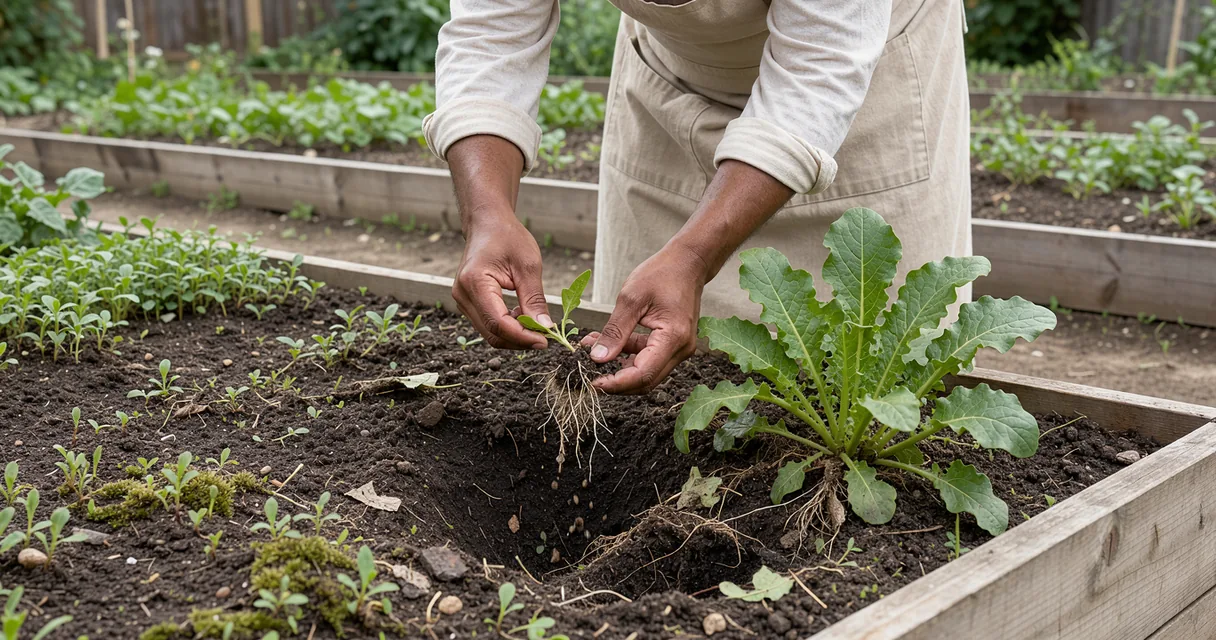
Chelsea suggests a garden to me. Cultivation is particular about what grows. KPV’s microbial and tissue experiments give that thought an unexpectedly literal subject.
A bacterium and a fungus
An experiment with alpha-MSH peptides and their C-terminal KPV sequence reported reduced viability of Staphylococcus aureus and Candida albicans in microbial cultures. A bacterium and a fungus: the organisms in this paper were the things the researchers wanted to discourage. This was laboratory work, conducted in vitro.
I had expected repair to mean helping tissue grow; the culture paper introduced organisms whose growth was unwelcome. The review literature on KPV describes anti-inflammatory activity without the pigmentary action of its parent hormone. The microbial experiment adds a different activity. Quieting an inflammatory signal and reducing a microbe’s viability are separate observations, even when the same peptide appears in both.
That distinction suits the garden Chelsea puts in my imagination. Cultivation involves choices about what gets to flourish. The analogy earns its space here through the experiments; it supplies no claim about treating skin.
Antibacterial effects in a wound gel
A KPV-loaded mucoadhesive hydrogel brought antibacterial, anti-inflammatory and pro-healing effects into the same preparation in cell and animal wound models. I prefer this discriminating account of repair. Repair becomes a more demanding subject when the desired tissue response sits beside an unwanted microbial one.
The details resist a tidy slogan. In mice with crystal-induced peritonitis, KPV reduced polymorphonuclear leukocyte accumulation; in cultured macrophages in vitro, it did not suppress cytokine release. Another study examined human skin cells challenged with fine dust. Each asks something particular of the peptide. None of these observations comes from a person’s skincare routine.
Essays on KPV
Start with the organisms in the dish, follow the inflammatory signals, inspect a wound gel or spend time with stressed skin cells. The reading list gathers the studies; the about page explains why this clinical-sounding name heads an editorial publication.
A KPV wound gel
A material with antibacterial, anti-inflammatory and repair aims.
Inspect the preparation →Stressed skin cells
Keratinocytes, fine dust and the question of cell survival.
Look at the skin experiments →